Kitchen Tool Guides
Fish Spatula vs. Regular Spatula: What’s the Difference — and Do You Really Need One?
A fish spatula’s thin, flexible, slotted blade slips under delicate food that an ordinary spatula would push, tear or crush — and it’s useful for far more than fish.
As an Amazon Associate, Geomorpho Studios earns from qualifying purchases — at no extra cost to you.

Most kitchens already have at least one spatula. So why would you need another one specifically for fish?
Because a fish spatula isn’t really just a fish spatula.
Its unusually thin edge, flexible blade and long slotted surface solve a problem that ordinary spatulas aren’t particularly good at: getting underneath food cleanly without pushing, tearing or crushing it.
That obviously matters for a delicate fish fillet — but the same design is useful for far more than fish.
So, what is the difference between a fish spatula and a regular spatula? And is it useful enough to deserve space in your kitchen?
Before the Fish Spatula: The Fish Slice
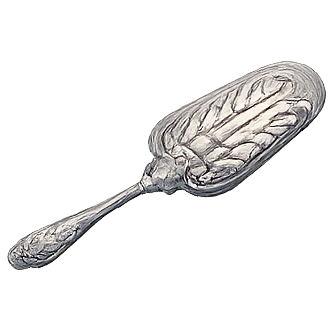
The modern fish spatula has an interesting ancestor.
Long before cooks were flipping salmon fillets in frying pans, elaborate fish slices appeared on European dining tables. These broad, flat serving utensils became particularly fashionable in Britain during the 18th and 19th centuries.
They weren’t frying-pan spatulas.
A fish slice was a serving utensil designed to lift portions from a cooked fish and transfer them neatly to a plate. Many surviving examples were made from silver and decorated with elaborate pierced patterns, engraved fish and ornate handles.
Those openings weren’t merely decorative. A broad, perforated surface could support a fragile piece of fish while allowing cooking liquid or sauce to drain away.
The modern fish spatula is a much more practical kitchen tool, but the underlying idea is remarkably familiar: support something delicate with a broad, thin surface while allowing liquid to escape.
Today, “fish slice” is also the usual British term for a slotted cooking turner. The ornate historical fish slices described above were serving utensils rather than frying-pan tools.
What Is a Fish Spatula?
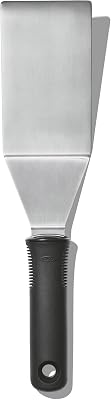
A fish spatula — sometimes called a slotted fish turner — usually has a long, narrow metal blade with several large slots running through it.
Look at one beside a typical kitchen turner and three differences immediately stand out:
- It is thinner. The front edge can slip underneath food with surprisingly little resistance.
- It is flexible. Instead of behaving like a rigid paddle, the blade bends slightly as you work it underneath food.
- It is longer and more open. The elongated blade supports delicate food across a larger area, while the slots allow oil and other liquids to drain away.
Those differences are what make the tool useful.
Fish Spatula vs. Regular Spatula: What’s the Difference?
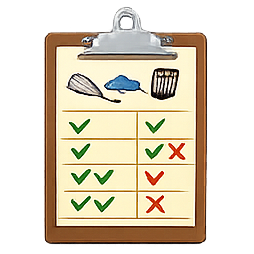
The word spatula covers a surprisingly broad collection of kitchen tools. For this comparison, we’re talking about the common flat turner used for flipping food in a frying pan.
Neither design wins every category — each is better at a different job.

| Feature | Fish Spatula | Regular Turner |
|---|---|---|
| Blade | Thin and elongated | Usually shorter and thicker |
| Flexibility | Flexible | Usually more rigid |
| Slots | Large, open slots | Solid or smaller slots |
| Getting under delicate food | Excellent | Good |
| Supporting fragile food | Excellent | Varies |
| Draining oil while lifting | Excellent | Varies |
| Heavy burgers and steaks | Good | Excellent |
| Fish fillets | Excellent | Fair to good |
| Eggs | Excellent | Good |
| Pancakes | Excellent | Excellent |
| Non-stick cookware | Metal versions: no | Depends on material |
A sturdy conventional turner is still excellent for moving a heavy burger, pressing food against a griddle or handling something that requires more rigidity.
The fish spatula’s advantage appears when getting underneath the food is harder than lifting it.
Why Does a Fish Spatula Work So Well?
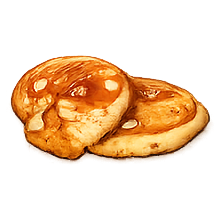
Imagine trying to slide a hardcover book underneath a piece of paper lying flat on a table.
Now imagine doing the same thing with a thin sheet of cardboard.
That is essentially the advantage of a fish spatula.
A thick spatula can hit the edge of delicate food and push it across the pan before getting underneath it. A fish spatula’s thin leading edge is much easier to work between the food and the cooking surface.
For something fragile, that small difference can determine whether dinner reaches the plate intact.
Why Is a Fish Spatula Slotted?
Those long openings aren’t there just to make the spatula recognizable.
They reduce the amount of metal in the blade, helping it remain light and flexible. More importantly, they allow hot oil, butter and other cooking liquids to drain back into the pan when food is lifted.
That is particularly useful when pan-frying.
Instead of transferring a spoonful of cooking oil to the plate along with your food, you can lift it, pause briefly over the pan and let the excess drain through the spatula.
Is a Fish Spatula Only for Fish?
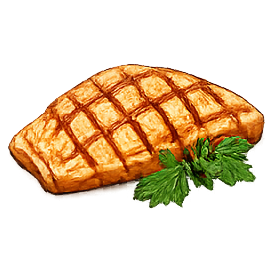
Clearly not.
Fish simply happens to demonstrate the tool’s advantages particularly well. A cooked fillet can be fragile, prone to sticking and difficult to lift without breaking.
But plenty of other foods create exactly the same problem. Once a fish spatula is in the utensil drawer, it can become useful for far more than seafood.
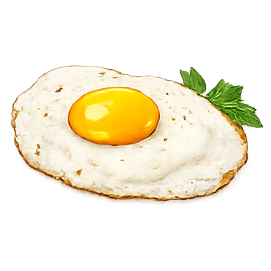
Fish Spatula for Eggs
A fried egg is almost a perfect demonstration of why the design works. You want to get underneath a very thin food without tearing the white or breaking the yolk. The flexible leading edge can slide underneath more easily than many thick plastic turners.
It is particularly useful when you want to flip an egg for over-easy or over-medium cooking.
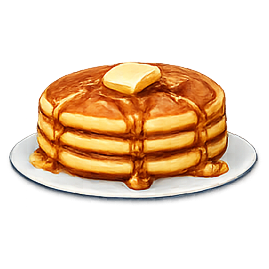
Fish Spatula for Pancakes
A regular spatula already does a perfectly good job with pancakes, so you certainly don’t need a fish spatula just to make breakfast.
But its longer blade has an advantage. Instead of supporting only the middle of a large pancake, the elongated surface can reach farther underneath it — making a wide or particularly soft pancake easier to lift and turn in one movement.
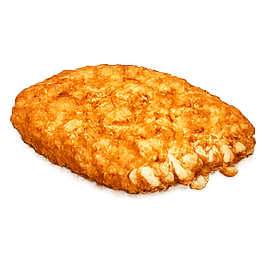
Fish Spatula for Hash Browns and Crispy Potatoes
This may be one of the fish spatula’s best non-fish jobs.
When potatoes develop a crisp golden layer against a pan, you want to get underneath that crust rather than leave half of it stuck to the cooking surface. The thin metal edge can help separate a properly browned hash brown or potato cake from the pan while keeping more of its crispy surface intact.
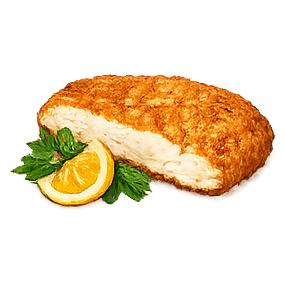
Fish Spatula for Chicken Cutlets
Breaded foods present another delicate-spatula problem. A thick turner pushed underneath a chicken cutlet can catch the coating and pull it away from the meat.
A thin fish spatula can approach at a shallower angle and slide underneath more gently, helping the browned coating stay where it belongs.

Fish Spatula for Cookies
A fish spatula can even leave the frying pan entirely. Its thin edge is useful for removing freshly baked cookies from a metal baking sheet, particularly while they’re still warm and soft.
A long blade also provides plenty of support underneath a large cookie while you move it to a cooling rack. You probably wouldn’t buy a fish spatula specifically for cookies — but once you own one, you may find yourself using it for them.
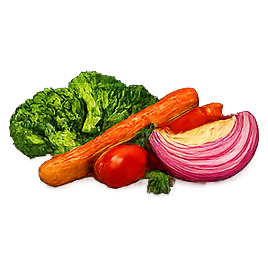
Fish Spatula for Roasted Vegetables
Roasted vegetables often develop deeply browned surfaces where they touch the baking sheet. A thin metal spatula can get underneath those browned edges rather than leaving the best bits attached to the tray.
It is particularly handy for slices of squash, potatoes, eggplant and other vegetables that soften as they roast.
When Is a Regular Spatula Better?
A fish spatula shouldn’t replace every spatula in your kitchen.
A thicker, rigid turner can be preferable when you’re dealing with something heavy or when you deliberately want a tool that doesn’t flex. And silicone or nylon utensils are generally the safer choice for cookware with delicate non-stick coatings.
Think of the two tools as specialists.
Regular spatula
Strength and rigidity — best when you’re lifting a thick burger or pressing food against the pan.
Fish spatula
Thinness, flexibility and precision — best when you’re preserving the crispy underside of a salmon fillet.
Stainless Steel vs. Silicone Fish Spatula
For stainless steel, cast iron and many other uncoated cooking surfaces, the classic stainless-steel fish spatula is hard to beat. Metal allows manufacturers to make the edge exceptionally thin while retaining enough strength to lift food.
But metal utensils can damage some non-stick coatings.
If most of your frying pans are non-stick, look for a nylon or silicone-coated fish turner specifically rated for non-stick cookware. You sacrifice some of the exceptionally thin edge of stainless steel, but protect your cookware.
What Should You Look for in a Fish Spatula?
A good fish spatula doesn’t need many features. Look for a blade that is:
- thin enough to slide easily underneath food;
- flexible without feeling flimsy;
- long enough to support a fish fillet;
- comfortable to control;
- securely attached to its handle; and
- appropriate for the cookware you use.
Don’t assume thicker means better. With this particular kitchen tool, making the blade thick and heavy can eliminate the very characteristics that make it useful.
Do You Really Need a Fish Spatula?
Need? The better question is whether a fish spatula does something noticeably better than a utensil you already own.
If you regularly cook fish, eggs, crispy potatoes, pancakes, breaded cutlets or other foods that are difficult to get underneath cleanly, the answer may be yes.
It doesn’t perform some complicated task that would otherwise be impossible. It simply makes a very common kitchen task — getting underneath food without damaging it — easier. And that’s arguably what makes a good kitchen tool worth owning.
A gadget designed for one obscure job may spend years forgotten at the back of a drawer. A fish spatula has almost the opposite problem.
You may buy it for fish and discover that the fish is only the beginning.
Recommended tools


Fish spatula questions, answered
What is the difference between a fish spatula and a regular spatula?
A fish spatula has a thin, flexible, elongated blade with large slots, so it slips under delicate food and lets oil drain away. A regular turner is usually shorter, thicker and more rigid, which suits heavy foods like burgers but makes it harder to get cleanly under fragile items.
Can you use a fish spatula for things other than fish?
Yes. The same thin, flexible edge that lifts a fish fillet also works well for fried eggs, pancakes, hash browns and crispy potatoes, breaded chicken cutlets, cookies and roasted vegetables — any food that is hard to get underneath without tearing or crushing.
Why is a fish spatula slotted?
The slots reduce the metal in the blade so it stays light and flexible, and they let hot oil, butter and other liquids drain back into the pan when you lift food instead of ending up on the plate.
Can you use a metal fish spatula on non-stick pans?
No. A stainless-steel fish spatula can scratch non-stick coatings. For non-stick cookware, choose a nylon or silicone-coated fish turner that is specifically rated as non-stick safe.
Do you really need a fish spatula?
It isn’t essential, but it makes a very common task — getting underneath food without damaging it — noticeably easier. If you regularly cook fish, eggs, crispy potatoes or breaded foods, it earns its place in the drawer.
Are a fish spatula, fish turner and fish slice the same thing?
“Fish spatula” and “fish turner” generally describe the same thin, flexible, slotted cooking utensil. In British English, a similar cooking turner is commonly called a fish slice, although historical fish slices were elaborate serving utensils.
Sources & further reading
- Victoria and Albert Museum — “Serving up silver slices” (history of silver serving slices)
- Cambridge Dictionary — “fish slice” (modern British meaning)

Plan dinners the easy way with Dinner123
Browse recipes, plan your meals and build your grocery list automatically.
Explore Dinner123Coming soon for Android and iPhone.